
Understanding Nutritional Support for Male Health and Vitality
An independent knowledge resource exploring the role of balanced nutrition, essential vitamins, and key minerals in supporting adult men's overall well-being through factual, evidence-based information.
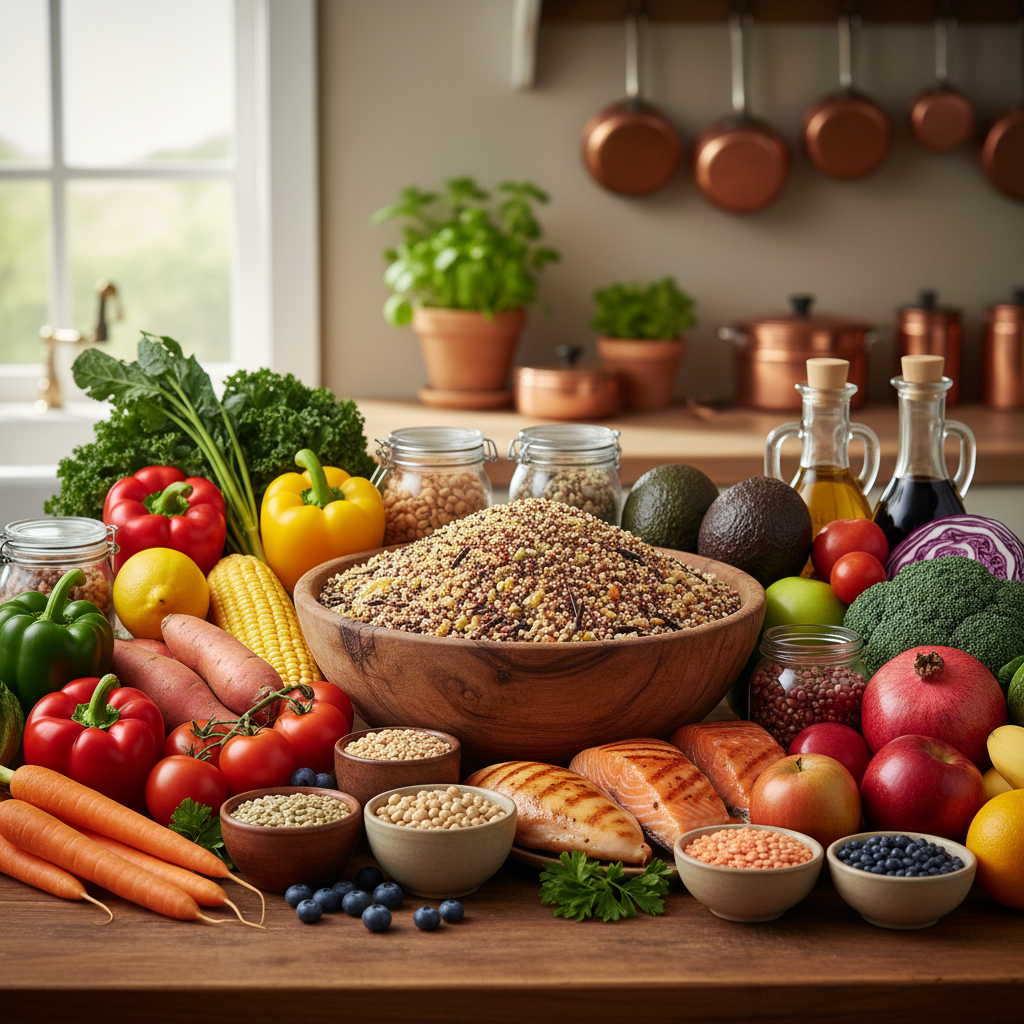
General Nutritional Principles
A balanced diet is one of the most widely discussed concepts in nutritional science. It refers to consuming an adequate variety of foods that provide the full range of macronutrients and micronutrients needed for normal bodily functions throughout adulthood.
Nutritional guidelines generally emphasize variety, moderation, and consistency. No single food group provides all necessary nutrients, which is why dietary diversity is central to most established frameworks for healthy eating.
- Variety across all food groups supports broad nutrient coverage
- Whole, minimally processed foods tend to retain more nutritional content
- Consistent meal patterns contribute to stable energy availability
- Individual nutrient needs vary by age, activity level, and other factors
Macronutrients Explained
Macronutrients are the three primary categories of nutrients that provide energy and structural components to the body. Understanding the distinct roles of proteins, carbohydrates, and fats helps explain why each category is considered essential in a balanced dietary pattern.
Proteins supply amino acids critical for tissue maintenance. Carbohydrates serve as the body's primary fuel source. Dietary fats support cellular integrity and the absorption of fat-soluble vitamins.
- Proteins: building blocks for muscle, enzymes, and hormones
- Carbohydrates: primary energy source for brain and body
- Fats: essential for cell membranes and vitamin absorption
- All three are necessary in appropriate proportions

The Role of Protein in Adult Diet
Protein is one of the most discussed macronutrients in the context of adult nutritional needs. It performs a wide range of structural and functional roles in the body.
Animal-Based Sources
Eggs, lean poultry, fish, and dairy products are commonly cited as complete protein sources, providing all essential amino acids in a single food item.
Plant-Based Sources
Legumes, lentils, chickpeas, tofu, and whole grains provide protein alongside dietary fiber. Combining different plant sources helps ensure a fuller amino acid profile.
Dietary Considerations
Protein requirements generally vary based on body size, physical activity, and age. Nutritional guidelines suggest distributing protein intake across meals throughout the day.
Educational content only. No promises of outcomes. All information presented for general awareness purposes.

Essential Vitamins for Overall Vitality
Vitamins are organic compounds required in small amounts for a wide range of physiological processes. Unlike macronutrients, they do not provide energy directly but act as co-factors in enzymatic reactions throughout the body.
Fat-soluble vitamins (A, D, E, K) are stored in fatty tissue and liver, while water-soluble vitamins (C and the B-complex group) are not stored in significant amounts and require regular dietary intake.
- Vitamin D: found in oily fish, eggs, and produced through sunlight exposure
- B-complex vitamins: present in whole grains, legumes, and leafy greens
- Vitamin C: abundant in citrus, bell peppers, and strawberries
- Vitamin A: found in carrots, sweet potatoes, and dairy
Key Minerals and Their Dietary Sources
Minerals are inorganic elements that play structural and regulatory roles in the body. Unlike vitamins, they are not broken down during digestion and must be consumed in adequate quantities through a varied diet.
Major minerals such as calcium, magnesium, and potassium are required in relatively larger amounts, while trace minerals like zinc, iron, and selenium are needed in smaller quantities but remain equally important for normal function.
| Mineral | Primary Role | Common Food Sources | Category |
|---|---|---|---|
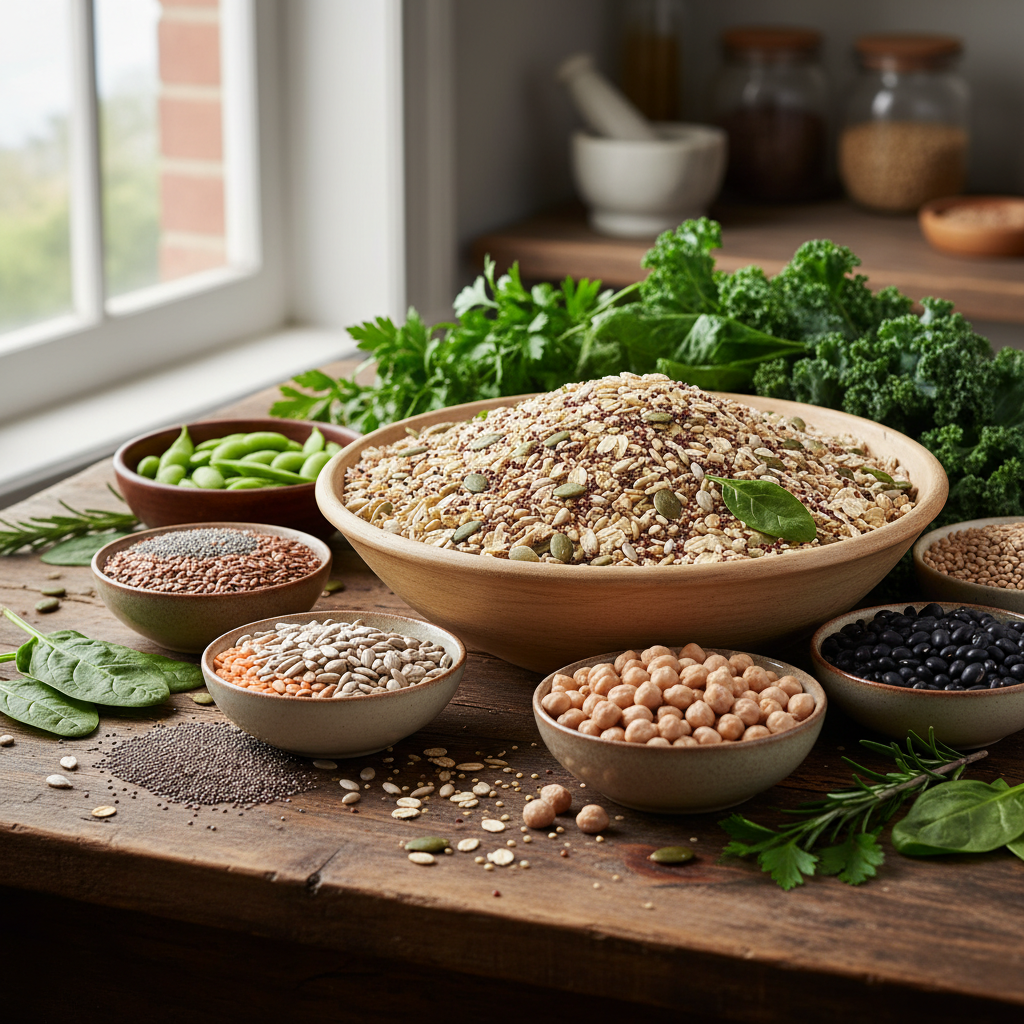
| Zinc | Supports enzyme activity and immune function | Pumpkin seeds, legumes, whole grains, lean meats | Trace Mineral |
| Magnesium | Involved in over 300 enzymatic processes | Dark leafy greens, nuts, seeds, whole grains | Major Mineral |
| Calcium | Structural component of bones and teeth | Dairy products, fortified plant milks, leafy greens | Major Mineral |
| Iron | Component of hemoglobin for oxygen transport | Red meat, lentils, spinach, fortified cereals | Trace Mineral |
| Selenium | Antioxidant activity and thyroid function support | Brazil nuts, fish, eggs, whole grains | Trace Mineral |
| Potassium | Fluid balance and nerve signal transmission | Bananas, potatoes, beans, avocados | Major Mineral |
Hydration and Well-being
Water is essential for virtually every physiological process in the human body. It participates in digestion, nutrient transport, temperature regulation, and waste elimination. Despite being calorie-free, it is often described as the most critical dietary component.
General guidance suggests that daily fluid intake from all sources — plain water, herbal teas, and water-rich foods such as cucumbers, watermelon, and soups — contributes to maintaining adequate hydration throughout the day.
Informational note: Individual fluid requirements differ based on climate, physical activity, body size, and diet composition. The figures commonly cited in public health guidelines represent general averages rather than precise individual targets.
Water-Rich Foods
Cucumbers, lettuce, tomatoes, watermelon, and oranges contribute significantly to daily fluid intake alongside beverages.
Hydration Indicators
Urine color is widely referenced as a general indicator of hydration status in public health literature, though individual variation applies.
Hot Climate Needs
Fluid losses increase during physical activity and in warm environments, making consistent replenishment a common nutritional consideration.
Electrolyte Balance
Minerals like sodium, potassium, and chloride help regulate fluid distribution across body compartments and are present in many whole foods.

Understanding Healthy Fats
Dietary fats are not a single substance but a broad category of lipid compounds with distinct chemical structures and physiological roles. The nutritional science community generally distinguishes between saturated, unsaturated, and trans fats based on their molecular composition.
Unsaturated fats, including monounsaturated and polyunsaturated varieties, are found predominantly in plant-based oils, nuts, seeds, and certain types of fish such as mackerel and salmon. Omega-3 and omega-6 fatty acids are considered essential, as they cannot be synthesized by the body and must be obtained through food.
- Olive oil: a source of monounsaturated oleic acid
- Walnuts and flaxseeds: plant-based omega-3 sources (ALA)
- Oily fish: provide EPA and DHA omega-3 fatty acids
- Avocados: rich in monounsaturated fats and potassium
Fiber in a Balanced Diet
Dietary fiber refers to plant-based carbohydrates that are not broken down and absorbed in the small intestine. Instead, they pass into the large intestine where they perform several well-documented functions related to digestive health and general metabolic processes.
Two main types are recognized: soluble fiber, which dissolves in water to form a gel-like substance (found in oats, apples, and beans), and insoluble fiber, which adds bulk to stool and supports regular bowel movement (found in whole wheat, nuts, and vegetables).
Sources of dietary fiber: Whole grains, legumes, vegetables, fruits, nuts, and seeds are primary contributors of both soluble and insoluble fiber in a typical adult diet.
Antioxidants from Food
Antioxidants are compounds that can neutralize free radicals — unstable molecules produced during normal metabolic processes and through environmental exposures. A diverse range of antioxidant compounds are found naturally in plant-based foods.
Common dietary antioxidants include vitamin C, vitamin E, beta-carotene, selenium, and various plant polyphenols such as flavonoids and anthocyanins. Each operates through distinct biochemical mechanisms, which is why dietary variety is emphasized in nutritional guidelines.
Balanced Eating Patterns
Eating patterns describe the overall combination and frequency of foods consumed over time, rather than the intake of individual nutrients. Nutritional researchers often emphasize that the pattern of eating is as important as any single food choice.
Common frameworks described in nutritional literature include the Mediterranean dietary pattern (rich in olive oil, fish, vegetables, and whole grains), the DASH pattern, and general guidelines from public health bodies that emphasize whole foods, variety, and moderation.
- Consistency over time matters more than individual meals
- Meal timing and frequency vary across cultures and individuals
- Whole-food patterns are broadly associated with dietary adequacy
- Flexible approaches are more sustainable than restrictive frameworks

Food Preparation and Nutrient Retention
The way food is prepared can significantly influence its final nutrient content. Cooking methods affect water-soluble vitamins in particular, as prolonged heat and water exposure can lead to nutrient loss.
Steaming, stir-frying, and roasting at moderate temperatures are generally considered methods that preserve more nutrient content compared to boiling vegetables in large amounts of water for extended periods.
| Cooking Method | Effect on Water-Soluble Vitamins | General Notes |
|---|---|---|
| Steaming | Minimal loss | Preserves texture and color effectively |
| Boiling | Moderate to high loss | Nutrients leach into water; use cooking liquid where possible |
| Stir-frying | Low to moderate loss | High heat, short time; suitable for many vegetables |
| Roasting | Variable | Can enhance flavor; moderate temperatures recommended |
| Raw Consumption | No heat-related loss | Some nutrients are more bioavailable when cooked |

Glossary of Nutritional Terms
Bioavailability
The proportion of a nutrient that is absorbed and utilized by the body relative to the total amount consumed.
Micronutrients
Vitamins and minerals required in small quantities for normal bodily function, distinct from macronutrients.
Dietary Reference Value (DRV)
A set of nutrient intake values used for planning and assessing diets of healthy population groups.
Phytonutrients
Naturally occurring compounds in plants, including polyphenols and carotenoids, that are studied for their roles in nutrition.
Glycemic Index (GI)
A measure of how quickly a carbohydrate-containing food raises blood glucose levels relative to pure glucose.
Information and Context
All content published on this website is strictly educational and informational in nature. The materials presented here describe general nutritional concepts and factual information about food components. This content does not constitute individual dietary advice, personalized guidance, or a substitute for consultation with a qualified nutrition or healthcare professional. Nutritional needs differ across individuals based on numerous factors including age, activity level, and general health status. The information on this site is intended to support general awareness and understanding, not to direct personal dietary decisions.
Continue Exploring Nutritional Concepts
Browse our dedicated section on dietary considerations for men or visit the FAQ for answers to common nutritional questions.